
Are Insulated Garage Doors Worth the Investment? Here’s What Homeowners Should Know
If you’re building a new garage or thinking about replacing your existing garage door, you’ve probably come across the option of insulated garage doors. These doors are designed with one or more layers of insulation inside the panel to improve energy efficiency, reduce noise, and enhance durability. But are they the right choice for every home?
At US Garage Repair, we’ve helped countless Connecticut homeowners weigh the benefits and drawbacks of insulated garage doors. In this post, we’ll break down everything you need to know—the pros and cons of insulated garage doors, how they compare to non-insulated models, and whether the upgrade is worth the cost.
What Is an Insulated Garage Door?
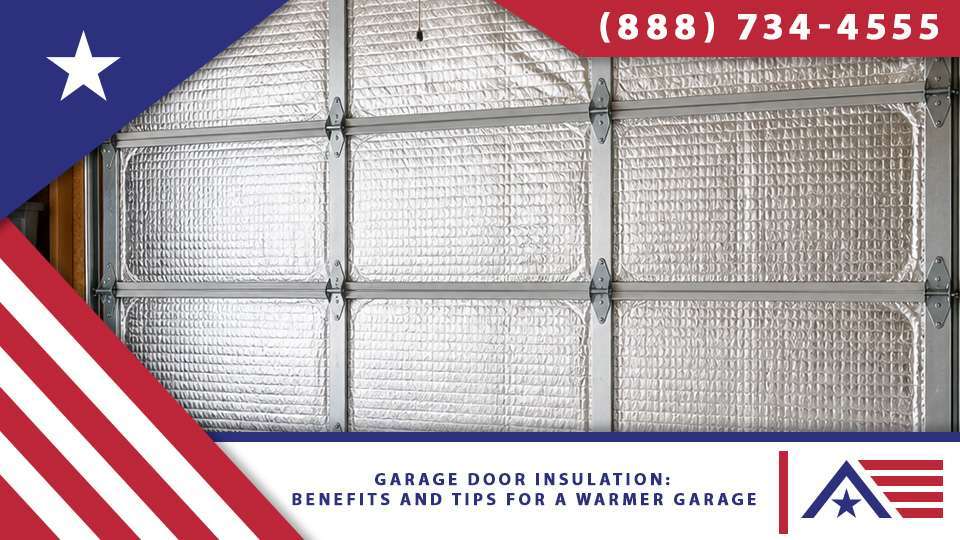
An insulated garage door features a layer (or multiple layers) of insulating material like polystyrene or polyurethane sandwiched between steel or aluminum panels. This extra insulation improves thermal performance, soundproofing, and strength. Insulated doors are often measured by their R-value, which indicates how well they resist heat flow—the higher the R-value, the better the insulation.
There are three main types of garage door insulation:
- Single-layer (non-insulated): One layer of steel or aluminum; no insulation.
- Double-layer: A layer of insulation bonded to a metal frame.
- Triple-layer (premium): Two layers of steel with insulation in the middle for maximum efficiency.
The Pros of Insulated Garage Doors
1. Improved Energy Efficiency
The biggest benefit of insulated garage doors is energy savings. If your garage is attached to your home or has a finished space above it, keeping the garage at a stable temperature can reduce heating and cooling costs. Insulated doors help regulate the indoor climate, preventing outside air from seeping in and conditioned air from leaking out.
In Connecticut, where winter temperatures drop significantly, an insulated garage door can make a noticeable difference in your monthly energy bills. It helps reduce strain on your HVAC system and keeps adjacent rooms more comfortable.
2. Increased Durability
Insulated doors are typically more durable than non-insulated ones because they’re made with multiple layers. This added strength makes them more resistant to dents, warping, and wear—an important feature if your garage door gets frequent use or is exposed to harsh weather.
These reinforced doors can handle daily wear and tear better, which means fewer garage door repairs over time.
3. Noise Reduction
Another great benefit of insulated garage doors is their ability to reduce noise—both inside and outside the garage. The insulation dampens vibrations caused by the door opening and closing, making operation quieter. It also helps block outside noise from traffic, neighbors, or construction.
This is especially useful if your garage is used as a workspace, gym, or living space.
4. Better Performance in Extreme Weather
In regions with cold winters and hot summers—like Connecticut—insulated doors offer better performance across all seasons. They help prevent the door from freezing shut in winter and reduce heat absorption in summer. The insulation also protects mechanical components like garage door springs and openers by minimizing temperature fluctuations, which can extend their lifespan.
5. Enhanced Curb Appeal and Value
Insulated garage doors tend to look and feel higher-end. They open and close more smoothly, offer a quieter experience, and contribute to a more modern, finished appearance. These features can increase your home’s curb appeal and even its resale value.
The Cons of Insulated Garage Doors
1. Higher Initial Cost
The most obvious downside is cost. Insulated garage doors are more expensive than single-layer, non-insulated versions. Depending on the material, R-value, and door size, the price difference can range from $300 to $800 or more.
However, this upfront cost is often offset by long-term energy savings, reduced repair needs, and extended door life.
2. Heavier Weight
Because they’re built with additional materials, insulated doors are heavier. This means they require stronger garage door springs and openers, which may need to be upgraded if you’re replacing a non-insulated door.
Increased weight can also mean more wear on your system over time, although proper maintenance can help manage this.
3. Not Always Necessary
If your garage is detached, unheated, and used solely for storage, the benefits of insulation may be minimal. In such cases, a basic non-insulated door could be sufficient and more cost-effective. Likewise, if you live in a region with a mild climate, you might not experience a major difference in energy savings.
Should You Choose an Insulated Garage Door?
Whether or not an insulated garage door is worth it depends on several factors:
- Is your garage attached to your home? If yes, insulation is highly recommended.
- Do you use your garage as a workspace, gym, or living area? Insulation improves comfort.
- Do you have rooms above the garage? Insulation prevents heat loss or gain from affecting those rooms.
- Is Connecticut’s weather a concern? Absolutely—insulation will help you handle seasonal extremes.
- Are you looking to increase property value? A high-quality insulated door can boost curb appeal.
How to Choose the Right Insulated Garage Door
When selecting an insulated garage door, consider these key features:
R-Value
Aim for an R-value of 10 or higher if energy efficiency is a priority. The higher the number, the better the door’s insulating ability.
Insulation Type
- Polystyrene is cost-effective and provides decent thermal resistance.
- Polyurethane is denser and offers higher R-values with better soundproofing.
Material
Steel doors with insulation offer the best mix of strength and insulation. Aluminum and wood are also available but come with trade-offs in durability or maintenance.
Design and Finish
Choose a style that complements your home’s exterior. Many insulated doors come in a wide variety of colors, panel designs, and window options.
Insulated Garage Door Maintenance Tips
Just like any garage door, insulated models require regular maintenance to stay in peak condition:
- Inspect the weatherstripping to ensure a proper seal.
- Lubricate hinges, rollers, and tracks to reduce strain.
- Check for sagging or warping due to moisture intrusion.
- Schedule professional garage door tune-ups annually with experts like US Garage Repair.
Proper maintenance not only protects your investment but also ensures you get the full benefit of your door’s insulation.
Trust US Garage Repair for Insulated Garage Door Installation in Connecticut
Choosing the right garage door for your home is a big decision, and we’re here to help. At US Garage Repair, we specialize in insulated garage door installation, repair, and maintenance across Connecticut. We’ll help you weigh your options, select the best door for your budget and climate, and install it with expert care.
Whether you’re upgrading for energy savings, aesthetics, or performance, our team ensures your new door adds real value to your home.
Final Thoughts: Are Insulated Garage Doors Worth It?
In most cases—especially for attached garages or homes in colder climates—insulated garage doors are absolutely worth the investment. They offer clear benefits in comfort, cost savings, durability, and soundproofing. While they do come at a higher upfront cost, the long-term advantages often outweigh that initial expense.
Still not sure if an insulated garage door is right for you? Contact US Garage Repair today for a free consultation and let our experienced team guide you through the best options for your Connecticut home.